Warum die unkontrollierte Entfernung von Trolleys die Umwelt schädigt, Budgets belastet und das Vertrauen in die Marke untergräbt
Es ist eines der sichtbarsten Probleme des Einzelhandels - und eines der am meisten unterschätzten.
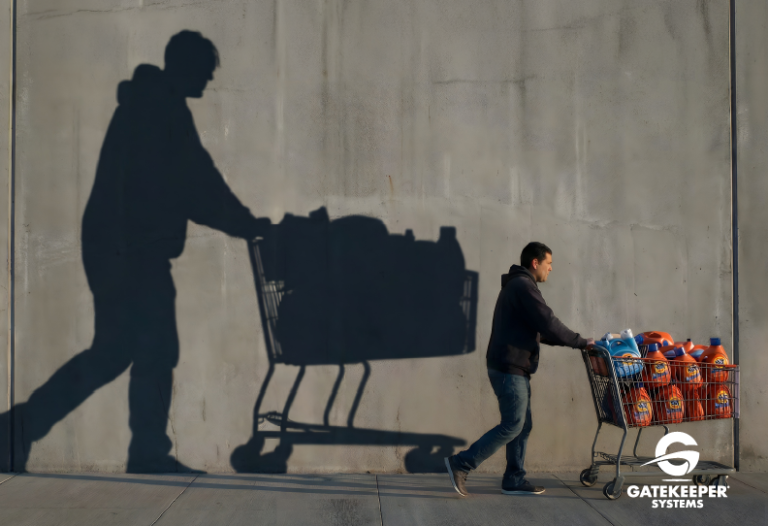
Jeder Einkaufswagen, der vom Standort entfernt wird, verschwindet nicht einfach. Er hinterlässt ein finanzielles Loch, eine Narbe in der Umwelt und einen blauen Fleck in der Reputation, den die Einzelhändler nicht ignorieren können.
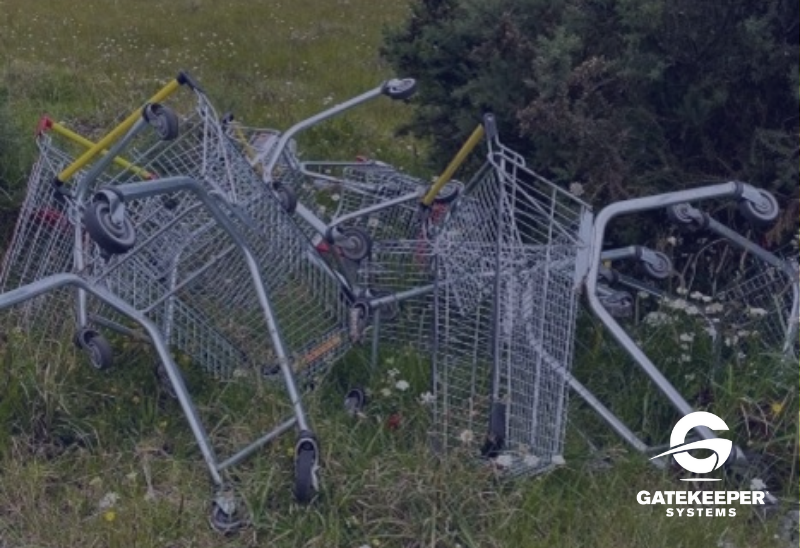
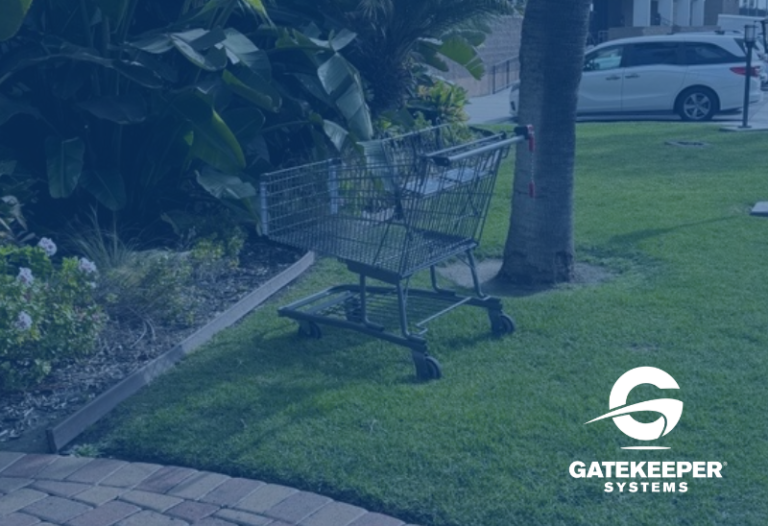
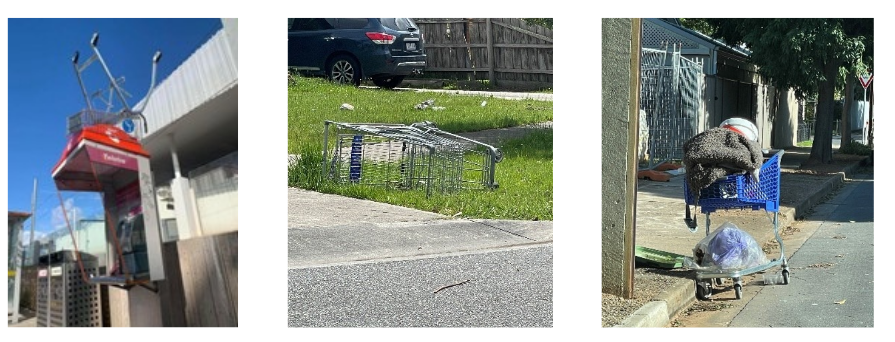
In ganz Australien und Neuseeland sind verlassene Einkaufswagen zu einem vertrauten Anblick geworden: in Parks gestrandet, in Bächen zurückgelassen, in Stadtvierteln verstreut oder kilometerweit von Einkaufszentren weggeschoben.
Was viele nicht sehen, ist der dauerhafte Schaden, der dadurch entsteht - nicht nur für den Einzelhandel, sondern auch für Gemeinden, Ökosysteme und das Vertrauen in die Marke.
Schauen wir uns also die Auswirkungen an.
Auswirkungen auf die Umwelt: Ein verstecktes Abfallproblem
Jeder Einkaufswagen, der aus einem Geschäft oder Einkaufszentrum entfernt wird, trägt zu einem unnötigen ökologischen Fußabdruck bei:
Ressource Abfall
Trolleys werden aus Stahl, Gummi und Kunststoffen hergestellt - Materialien, die hohe Herstellungs- und Kohlenstoffkosten verursachen, und nicht zu vergessen die Auswirkungen der Frachtkosten, die hinzukommen.
Das Ersetzen verlorener Trolleys fügt hinzu 40-60 kg vermeidbare Kohlenstoffemissionen pro Einheit.
Verschmutzung von Gewässern und Grünflächen
Wenn sie in Bächen, Flüssen oder im Buschland entsorgt werden, werden sie zu Trolleys:
- Den Wasserfluss behindern.
- Lebensräume beschädigen.
- Rost und Verunreinigungen können austreten.
- Sie werden zu langfristigen Umweltschadstoffen.
Für diese Bergungen sind häufig Kräne, Taucher oder spezialisierte Teams der Stadtverwaltung erforderlich, was eine weitere Belastung für die Umwelt und die Finanzen darstellt.
Erhöhter Deponiedruck
Stark beschädigte Wagen landen in der Regel auf dem Sperrmüll. Jeder verschrottete Wagen ist eine unnötige Belastung für die Mülldeponie.
Dankenswerterweise nimmt die Wiederverwertung alter Wagen zu, doch kann dieser implizite "Wert" von Altmetall in bestimmten Ländern zu einer Zunahme von Massendiebstählen von Wagen führen, was auch geschieht.
Finanzielle Kosten: Eine Belastung für den Betrieb
Die finanziellen Auswirkungen des Trolley-Diebstahls sind gewaltig und werden unterschätzt.
Kosten für die Wiederbeschaffung
Je nach Design, Größe, Kapazität, Kosten der Trolleys $150-$700 jeweils. Große Einzelhändler verlieren Hunderte bis Tausende von Einheiten pro Jahr, was im Laufe der Zeit zu Vermögensverlusten in Millionenhöhe führt.
Arbeits- und Abrufkosten
Die Abschleppteams verbringen jede Woche Stunden damit, die umliegenden Straßen zu durchsuchen, selbst wenn der Wagen mit GPRS-Ortung ausgestattet ist, und das oft in unsicheren oder unzugänglichen Gebieten.
Dies führt zu:
- Hohe Arbeitskosten
- Gefährdung durch Risiken und Verletzungen
- Produktivitätsverluste bei Kernaufgaben
Rat* Einhaltung der Vorschriften und Geldbußen
Die Stadtverwaltungen setzen zunehmend lokale Gesetze durch, die die Rückhaltung von Trolleys vorschreiben, und verhängen Geldstrafen oder ordnen die Einhaltung der Vorschriften an, wenn sich verlassene Trolleys im öffentlichen Raum ansammeln.
Wir beobachten, dass die Gesetzgebung in vielen Stadtverwaltungen auf nationaler Ebene verschärft wird, und in einigen Fällen überprüfen die Stadtverwaltungen die Praktiken des Einzelhändlers/Einkaufszentrums bei der Verwaltung und Aufbewahrung von Einkaufswagen.
Die Botschaft ist klar: Das Modell "Aufspüren, Suchen und Einsammeln" ist veraltet, kostspielig und unhaltbar.
*Quelle: Moreton Bay City Council Community Standards for Public Land and Roads Local Law 2023
Markenimage: Das oft übersehene Risiko
Verlassene Einkaufswagen verunreinigen nicht nur die Nachbarschaft - sie prägen auch die öffentliche Wahrnehmung eines Einzelhändlers und des Einkaufszentrums, zu dem sie gehören.
Wahrnehmung der Gemeinschaft
Für die Anwohner sind in den Straßen zurückgelassene Trolleys ein Signal:
- Schlechtes Management
- Geringe Betreuung durch die Gemeinschaft
- Mangelnde Verantwortung für die Umwelt
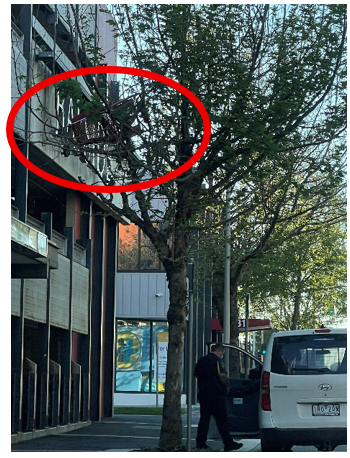
Und im Zeitalter der sozialen Medien verbreitet sich ein Foto schnell
Kundenerfahrung
Die eingeschränkte Verfügbarkeit von Einkaufswagen zu Spitzenzeiten führt zu Frustration, noch bevor die Kunden das Geschäft betreten haben, und untergräbt alle Bemühungen um ein positives Einkaufserlebnis.
Konflikt mit ESG-Verpflichtungen
Einzelhändler werben mit Stolz für Nachhaltigkeit, Sicherheit und Verantwortung für die Gemeinschaft. Eine sichtbare Spur von verlassenen Trolleys steht in direktem Widerspruch zu diesen Werten.
Warum Eingrenzung nicht mehr optional ist
Moderne Trolley-Containment-Technologien wie Gatekeeper-Systeme' Wagensteuerung®. - sind heute wesentliche Instrumente für einen verantwortungsvollen Einzelhandel.
Sie liefern:
- Weniger verlorene Trolleys und weniger Abfall
- Geringere Betriebs- und Abrufkosten
- Verbesserte Kundenerfahrung
- Sauberere, sicherere Gemeinden
- Geringeres Risiko für das Personal und weniger Konfrontationen im Freien.
- Die Grenze des Ladens
- Stärkere Ausrichtung auf ESG- und Sicherheitsziele
Die kostengünstigste Lösung für den Verlust von Trolleys ist einfach: zu verhindern, dass die Wagen das Gelände überhaupt verlassen. Münzsperren sind lediglich ein Notbehelf, der angesichts des geringen Geldwerts die Gewohnheiten nicht ändert, und in den meisten Fällen sind "geschenkte" Plastikmünzen leicht erhältlich. Elektronische Münzschlösser werfen auch Sicherheitsbedenken in Bezug auf die Privatsphäre und persönliche Daten auf.
Alles, was die Kunden wollen, ist ein reibungsloses Einkaufserlebnis. Die Bereitstellung von sauberen, gut gewarteten und verfügbaren Einkaufswagen vor Ort ist also ein klarer Schritt, um genau das zu erreichen.
Wie Wagensteuerung®. arbeitet: Siehe Hier
Abschließende Überlegungen
Der Diebstahl von Trolleys ist kein geringfügiges betriebliches Ärgernis, er ist ein vielschichtige Umwelt-, Finanz- und Reputationsrisiken. Die Schuld liegt nicht bei den Einzelhändlern oder Einkaufszentren, sondern bei der Öffentlichkeit. Die einfache Handlung, einen Einkaufswagen "mit nach Hause" zu nehmen, wirkt sich jedoch direkt auf den Ruf und das Markenimage beider aus.
Einzelhändler und Einkaufszentren, die der Eindämmung Priorität einräumen, schützen nicht nur ihren Fuhrpark und ihre Budgets, sondern auch:
- Ihre Marke zu stärken,
- Unterstützung der Erwartungen der Gemeinschaft,
- die Umwelt zu schützen, und
- Jeden Tag mehr Sicherheit für die Teams.
Verantwortungsvoller Einzelhandel beginnt an der Peripherie.
Abschließend möchte ich noch anmerken, dass ich Einzelhändler immer frage: "Was ist im Allgemeinen das Erste und das Letzte, was die meisten Kunden während ihres Einkaufs berühren?"
Ganz einfach - der unterschätzte, überarbeitete, malträtierte und oft schmutzige Einkaufswagen!
Den Blog herunterladen Hier