Por qué la retirada incontrolada de carritos daña el medio ambiente, desgasta los presupuestos y erosiona la confianza en la marca
Es uno de los problemas más visibles del comercio minorista y uno de los más subestimados.
Cada carrito que se retira no desaparece sin más. Deja un agujero financiero, una cicatriz medioambiental y una herida en la reputación que los minoristas no pueden ignorar.
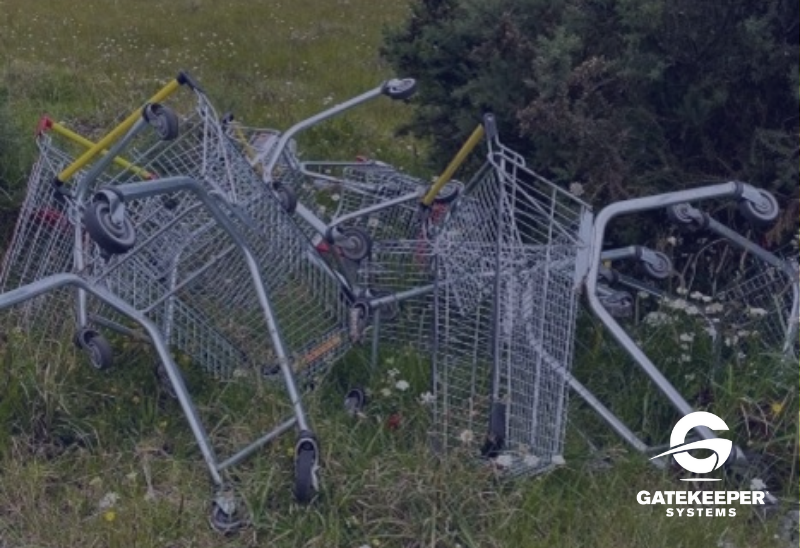
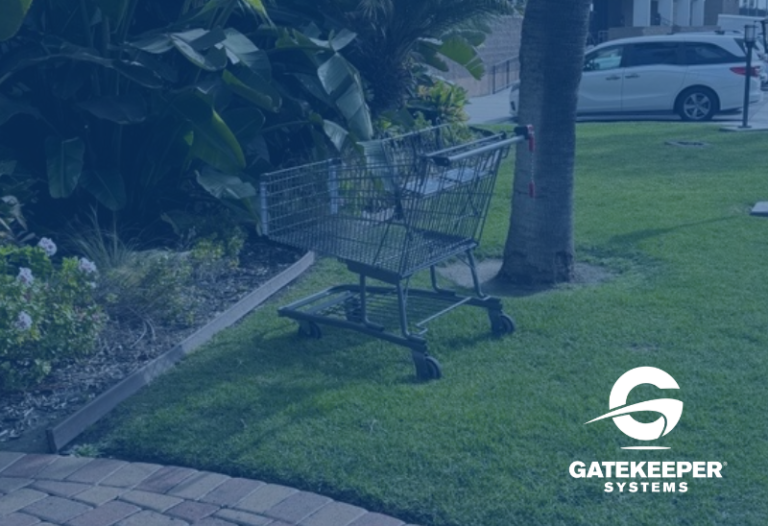
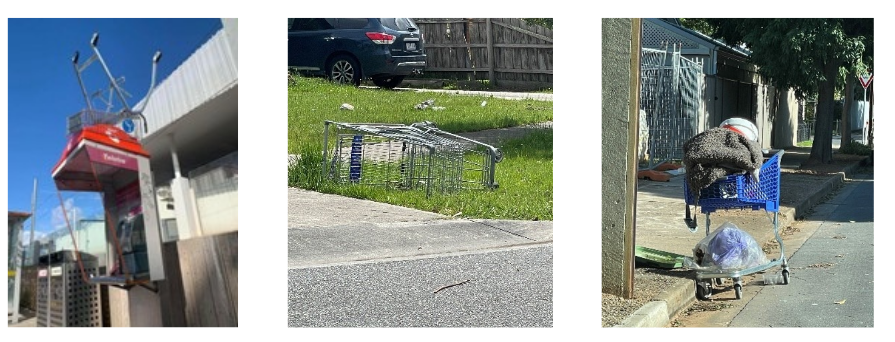
En toda Australia y Nueva Zelanda, los carritos de la compra abandonados se han convertido en una imagen familiar: varados en parques, abandonados en arroyos, esparcidos por barrios o empujados a kilómetros de distancia de los centros comerciales.
Lo que muchos no ven es el daño duradero que esto causa, no sólo a los minoristas, sino también a las comunidades, los ecosistemas y la confianza en las marcas.
Así pues, analicemos el impacto.
Impacto medioambiental: Un problema de residuos oculto
Cada carrito de la compra que se retira de una tienda o centro comercial contribuye a dejar una huella ambiental innecesaria:
Residuos de recursos
Los carritos se construyen con acero, caucho y plástico, materiales con elevados costes de fabricación y carbono, sin olvidar el impacto de los costes de transporte.
La sustitución de los carros perdidos añade 40-60 kg de emisiones de carbono evitables por unidad.
Contaminación de cursos de agua y espacios verdes
Cuando se vierten en arroyos, ríos o matorrales, los carros:
- Obstruir el flujo de agua.
- Daña los hábitats.
- Fugas de óxido y contaminantes.
- Convertirse en contaminantes ambientales a largo plazo.
Estas recuperaciones suelen requerir grúas, buzos o equipos municipales especializados, lo que supone una carga medioambiental y financiera adicional.
Aumento de la presión sobre los vertederos
Los carros muy dañados suelen acabar como residuos a granel. Cada carro desechado es una adición innecesaria al vertedero.
Afortunadamente, el reciclaje de carros viejos está aumentando, pero este "valor" implícito de la chatarra puede provocar, y de hecho provoca en ciertas jurisdicciones, un aumento de los robos de carros a granel.
Coste financiero: Una carga para las operaciones
El impacto financiero del robo de carritos es asombroso y se subestima.
Costes de sustitución
En función del diseño, el tamaño y la capacidad, los carros cuestan $150-$700 c/u. Los grandes minoristas pierden de cientos a miles de unidades al año, lo que equivale a millones en activos perdidos a lo largo del tiempo.
Costes de mano de obra y recuperación
Los equipos de recuperación pasan horas cada semana buscando en las calles circundantes, incluso si un carro tiene instalado el seguimiento GPRS, a menudo en zonas inseguras o inaccesibles.
Esto resulta en:
- Costes laborales elevados
- Exposición a riesgos y lesiones
- Pérdida de productividad de las tareas principales
Cumplimiento y multas del Consejo
Los ayuntamientos hacen cumplir cada vez más las leyes locales que obligan a contener los carritos, con multas o directivas de cumplimiento cuando se acumulan carritos abandonados en espacios públicos.
Estamos asistiendo a un endurecimiento de la legislación en muchos ayuntamientos de todo el país y, en algunos casos, a inspecciones por parte de los ayuntamientos de las prácticas de gestión y contención de carritos de los minoristas y centros comerciales.
El mensaje es claro: el modelo de "rastrear, buscar y recoger" es anticuado, costoso e insostenible.
*Fuente: Moreton Bay City Council Community Standards for Public Land and Roads Ley Local 2023
Imagen de marca: El riesgo que a menudo se pasa por alto
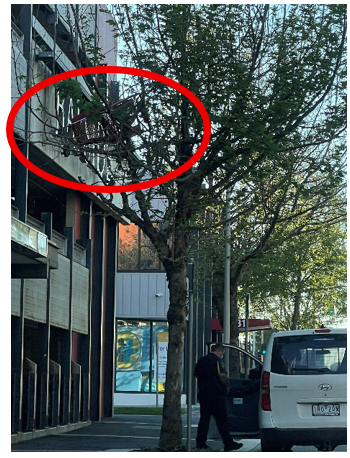
Los carritos abandonados no sólo desordenan los barrios, sino que influyen en la percepción que tiene el público de un minorista y del centro comercial al que pertenecen.
Percepción comunitaria
Para los residentes, los carritos abandonados en las calles son una señal:
- Mala gestión
- Baja atención comunitaria
- Falta de responsabilidad medioambiental
Y en la era de las redes sociales, una foto se difunde rápidamente
Experiencia del cliente
La menor disponibilidad de carritos en las horas punta provoca frustración en los clientes incluso antes de que entren en la tienda, lo que socava todos los esfuerzos por ofrecer una experiencia de compra positiva.
Conflicto con los compromisos ESG
Los minoristas promueven con orgullo la sostenibilidad, la seguridad y la responsabilidad comunitaria. Un rastro visible de trolebuses abandonados contradice directamente estos valores.
Por qué la contención ya no es opcional
Tecnologías modernas de contención de carros, como Sistemas Gatekeeper' Cart Control - son ahora herramientas esenciales para un comercio minorista responsable.
Cumplen:
- Menos carritos perdidos y menos residuos
- Menores costes de explotación y recuperación
- Mejora de la experiencia del cliente
- Comunidades más limpias y seguras
- Reducción del riesgo para el personal y de los enfrentamientos en el exterior.
- El límite de la tienda
- Mayor alineación con los objetivos ESG y de seguridad
La solución más rentable a la pérdida de carros es sencilla: evitar que los carritos salgan del lugar en primer lugar. Los bloqueos de monedas no son más que una tirita para el problema, no cambian los hábitos dado su escaso valor monetario y, en la mayoría de los casos, las fichas de plástico "regaladas" son fáciles de proporcionar. Los monederos electrónicos también plantean problemas de seguridad sobre la privacidad y los datos personales.
Todo lo que quieren los clientes es una experiencia de compra sin fricciones, por lo que mantener los carritos en el lugar, limpios, bien mantenidos y disponibles es un paso claro para conseguirlo.
Cómo Cart Control obras: Ver Aquí
Reflexiones finales
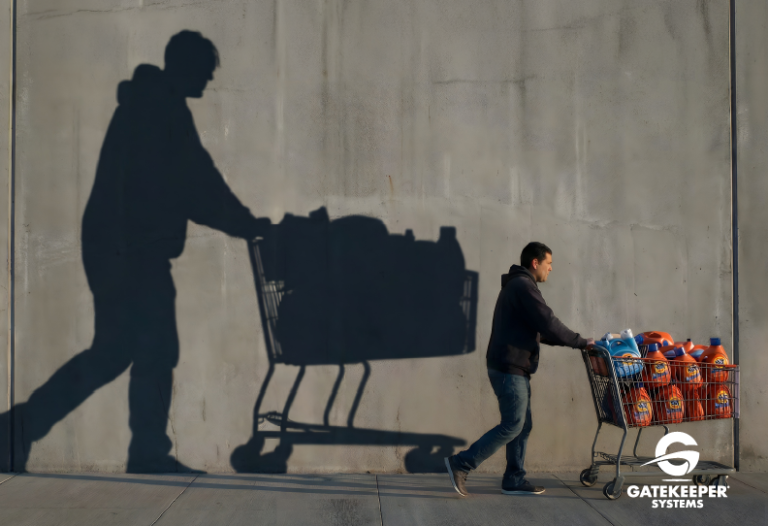
El robo de trolebuses no es una molestia operativa menor, es un delito. riesgo medioambiental, financiero y de reputación a varios niveles. La culpa no es de los minoristas ni de los centros comerciales, sino del público. Sin embargo, la simple acción de llevarse un carrito "a casa" repercute directamente en la reputación y la imagen de marca de ambos.
Los minoristas y centros comerciales que dan prioridad a la contención no sólo protegen su flota y sus presupuestos, sino también:
- Reforzar su marca,
- Apoyar las expectativas de la comunidad,
- Proteger el medio ambiente, y
- Mantenga a los equipos más seguros cada día.
La venta responsable empieza en el perímetro.
Y una nota final, que siempre pregunto a un minorista "en general, ¿qué es lo primero y lo último que toca la mayoría de los clientes durante su experiencia de compra?".
Sencillo: el infravalorado, sobrecargado, maltratado y a menudo sucio carrito de la compra.
Descargar el blog Aquí