Why Uncontrolled Trolley Removal Damages the Environment, Drains Budgets, and Erodes Brand Trust
It is one of retail’s most visible problems—and one of its most underestimated.
Every trolley taken off-site does not just disappear. It leaves a financial hole, an environmental scar, and a reputational bruise that retailers cannot ignore.
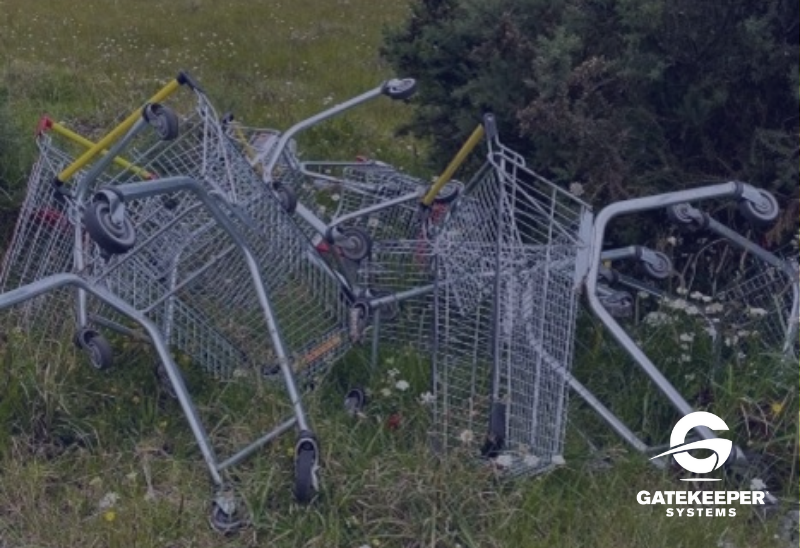
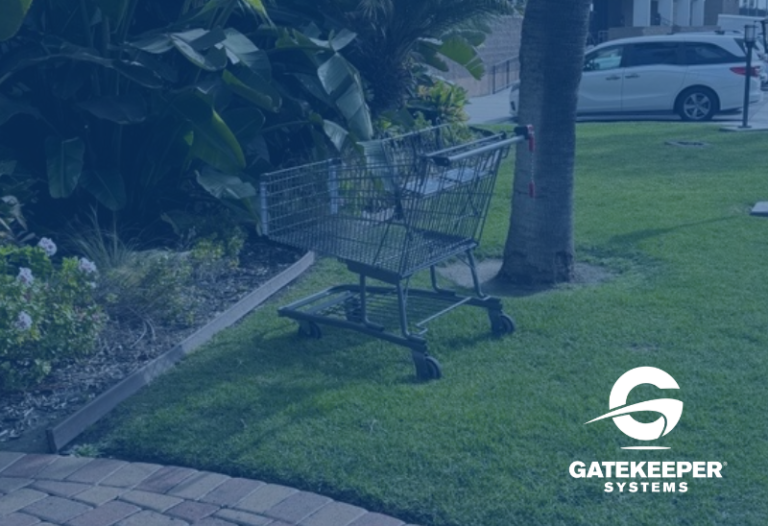
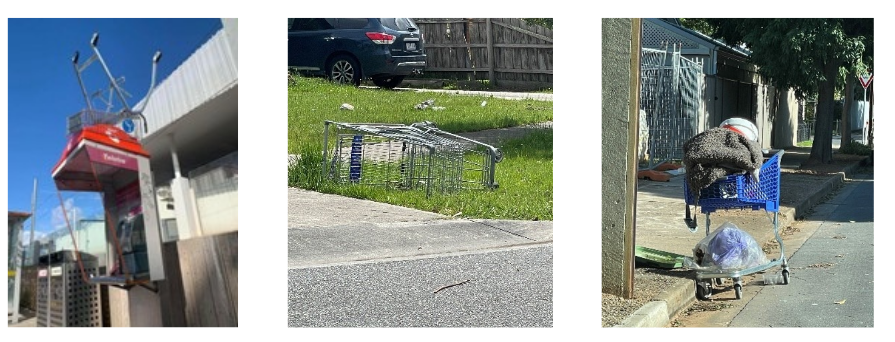
Across Australia and New Zealand, abandoned shopping trolleys have become a familiar sight: stranded in parks, left in creeks, scattered in neighbourhoods, or pushed kilometres away from shopping centres.
What many do not see is the lasting damage this causes—not just to retailers, but to communities, ecosystems, and brand trust.
So, let us look at the impact.
Environmental Impact: A Hidden Waste Problem
Every shopping trolley removed from a store or shopping centre contributes to an unnecessary environmental footprint:
Resource waste
Trolleys are built from steel, rubber, and plastics—materials with high manufacturing and carbon costs and not forgetting the impact of freight costs on top.
Replacing lost trolleys adds 40–60 kg of avoidable carbon emissions per unit.
Pollution in waterways and green spaces
When dumped in creeks, rivers, or bushland, trolleys:
- Obstruct water flow.
- Damage habitats.
- Leak rust and contaminants.
- Become long-term environmental pollutants.
These recoveries often require cranes, divers, or specialised council teams, creating further environmental and financial burden.
Increased landfill pressure
Severely damaged trolleys typically end up as bulk waste. Every scrapped trolley is an unnecessary addition to landfill.
Thankfully, the recycling of old trolleys is on the increase, however this implied “value” of scrap metal, can and does in certain jurisdictions lead to an increase in bulk theft of trolleys.
Financial Cost: A Drain on Operations
The financial impact of trolley theft is staggering and underestimated.
Replacement costs
Depending on design, size, capacity, trolleys cost $150–$700 each. Large retailers lose hundreds to thousands of units annually, equating to millions in lost assets over time.
Labour and retrieval costs
Retrieval teams spend hours each week searching surrounding streets, even if a trolley has GPRS tracking fitted, often in unsafe or inaccessible areas.
This results in:
- High labour costs
- Exposure to risk and injury
- Lost productivity from core duties
Council* compliance and fines
Councils are increasingly enforcing local laws requiring trolley containment, with fines or compliance directives when abandoned trolleys accumulate in public spaces.
We are seeing legislation being tightened up across many council areas, nationally, and in some cases, council’s activity inspecting a retailer / shopping centre trolley management practices and containment.
The message is clear: the “track, search and collect” model is outdated, costly, and unsustainable.
*Source: Moreton Bay City Council Community Standards for Public Land and Roads Local Law 2023
Brand Image: The Often-Overlooked Risk
Abandoned trolleys do not just clutter neighbourhoods—they shape public perception of a retailer and the shopping centre they belong to.
Community perception
To residents, trolleys left in streets signal:
- Poor management
- Low community care
- Lack of environmental responsibility
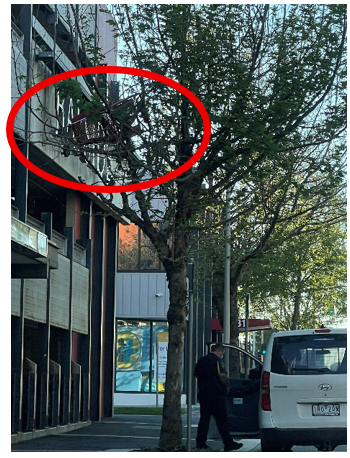
And in the age of social media, one photo spreads fast
Customer experience
Reduced trolley availability at peak times leads to frustration before customers even step inside the store—undercutting every effort to deliver a positive shopping experience.
Conflict with ESG commitments
Retailers proudly promote sustainability, safety, and community responsibility. A visible trail of abandoned trolleys directly contradicts these values.
Why Containment Is No Longer Optional
Modern trolley containment technologies—like Gatekeeper Systems’ Cart Control® — are now essential tools for responsible retailing.
They deliver:
- Fewer lost trolleys & reduced waste
- Lower operating and retrieval costs
- Improved customer experience
- Cleaner, safer communities
- Reduced staff risk and confrontation outside.
- The store boundary
- Stronger alignment with ESG and safety goals
The most cost-effective solution to trolley loss is simple: prevent trolleys from leaving the site in the first place. Coin locks are simply putting a band aid on the problem, it does not change habits given low monetary value and, in most cases, “gifted” plastic tokens are easily provided. Electronic coin locks also present security concerns over privacy and personal data.
All that customers want is a frictionless shopping experience, so keeping trolleys on site, clean, well maintained, and available is one clear step to achieve just that.
How Cart Control® works: Watch Here
Final Thoughts
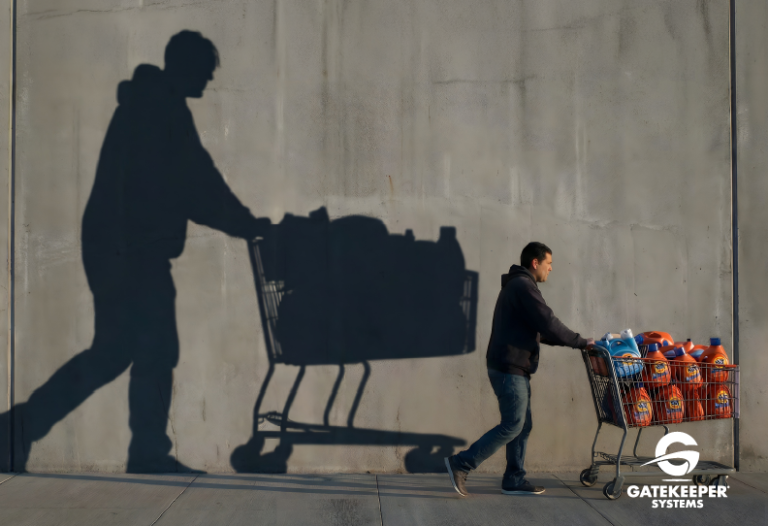
Trolley theft is not a minor operational nuisance—it is a multi-layered environmental, financial, and reputational risk. Blame does not sit with the retailers or shopping centres; it sits with the public. However, the simple action of taking a trolley “home” directly impacts both the reputation and brand image of both.
Retailers and shopping centres who prioritise containment not only protect their fleet and budgets, but also:
- Strengthen their brand,
- Support community expectations,
- Protect the environment, and
- Keep teams safer every day.
Responsible retailing starts at the perimeter.
And a final note, that I always ask a retailer “in general, what is the first and last thing the majority of customers touch during their shopping experience?”
Simple – the underrated, overworked, maltreated, and often dirty, shopping trolley!
Download the Blog Here